
moovel
At moovel, a mobility company backed by Daimler, I was part of the Web Squad, the team responsible for the company's digital communication across web touchpoints. Our work supported both the moovel brand and product ecosystem, helping communicate mobility services clearly to users, partners, and new markets.
My role focused on designing, maintaining, and evolving web experiences for product communication, city launches, and white-label mobility clients. This included creating market-specific pages for new city rollouts, supporting launch campaigns, and designing web solutions for public-sector partners such as governments, municipalities, and city mobility initiatives.
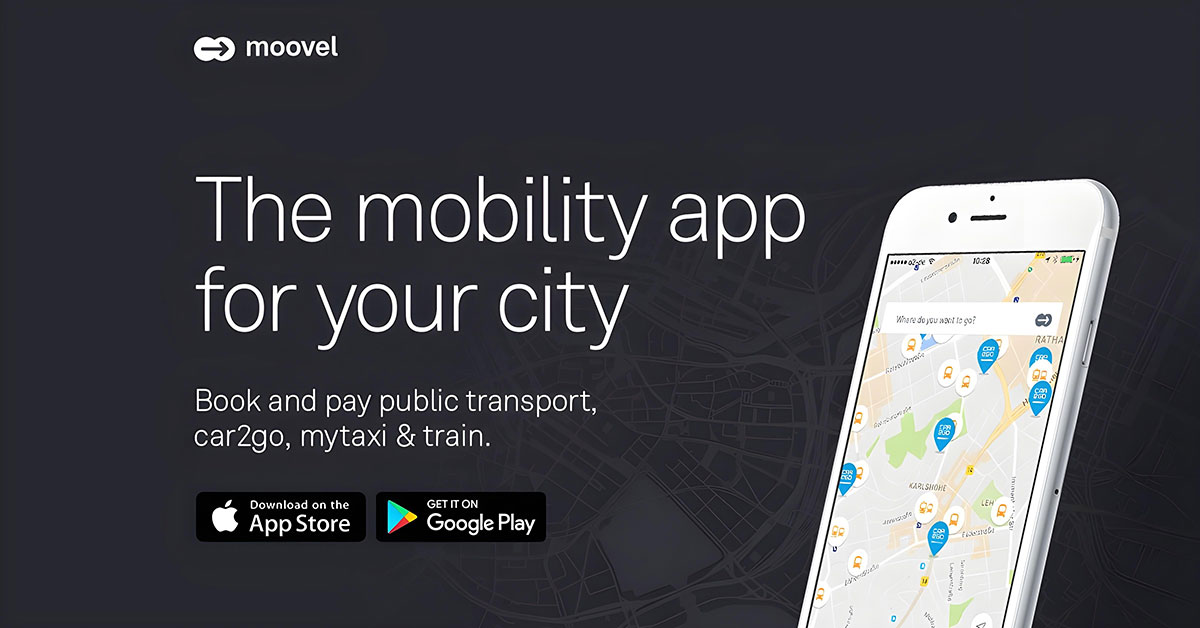
Urban mobility products are complex to communicate. Each new city launch required users, partners, and local stakeholders to understand what the service offered, how it worked, where it was available, and why it mattered. At the same time, moovel needed to support different markets, languages, transport contexts, and public-sector partners without rebuilding every web experience from scratch.
For white-label clients such as governments and cities, the challenge was even more specific: the web experience had to feel trustworthy, accessible, locally relevant, and aligned with public-sector expectations while still being built from a scalable digital foundation.
The challenge was not only to design pages, but to create a scalable web foundation that could support repeated mobility launches across different cities, partners, and user contexts.
Aníbal Salido Web Squad / Product & Web Designer
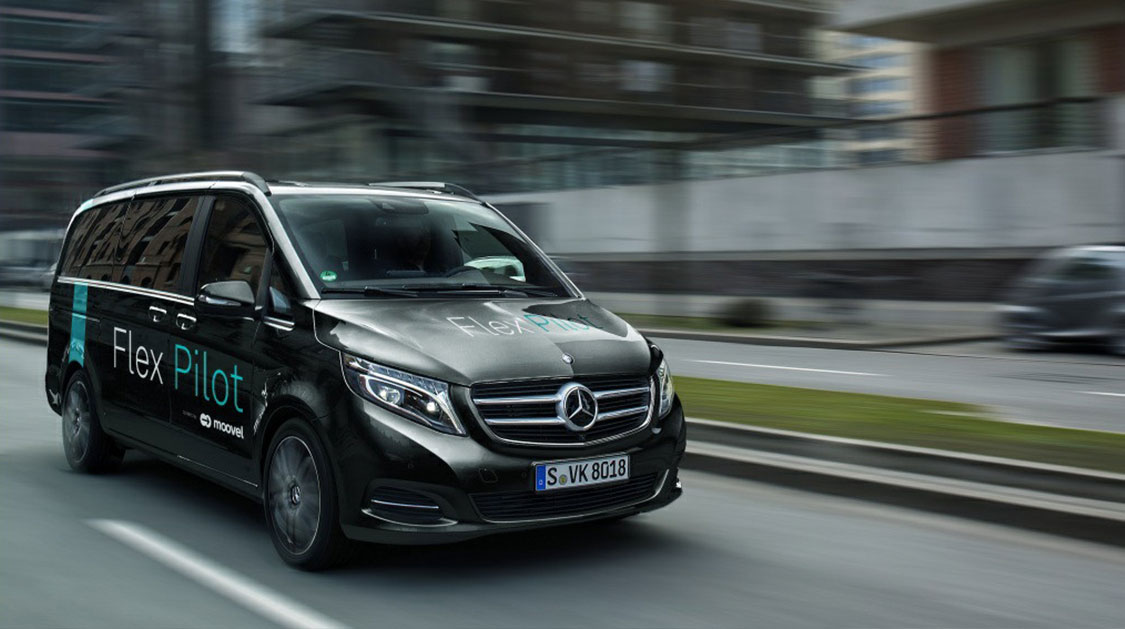
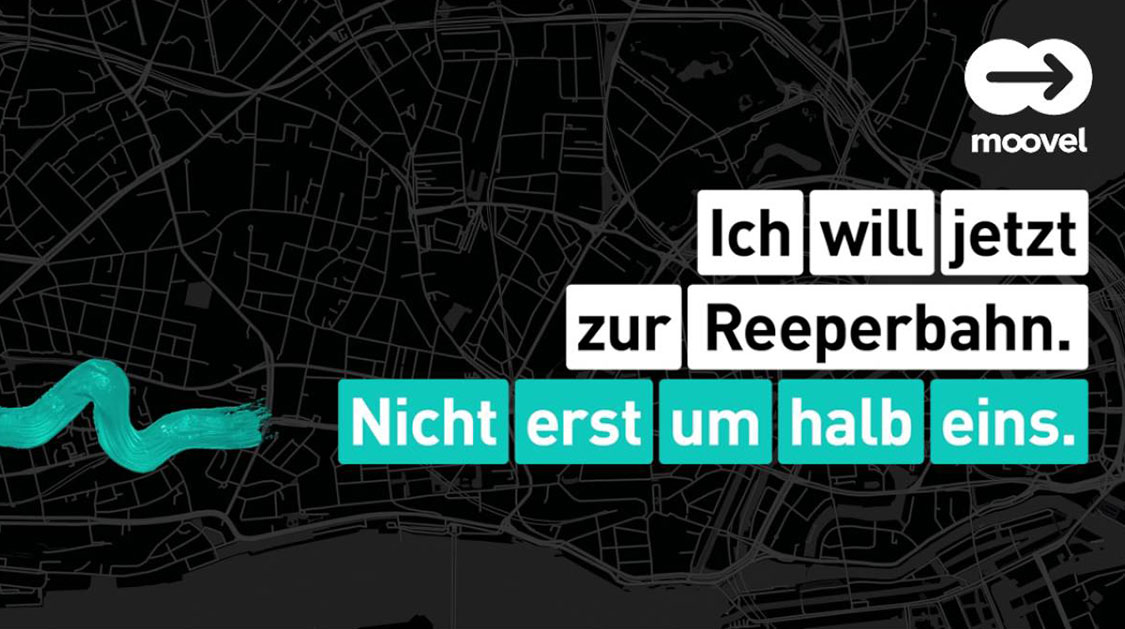
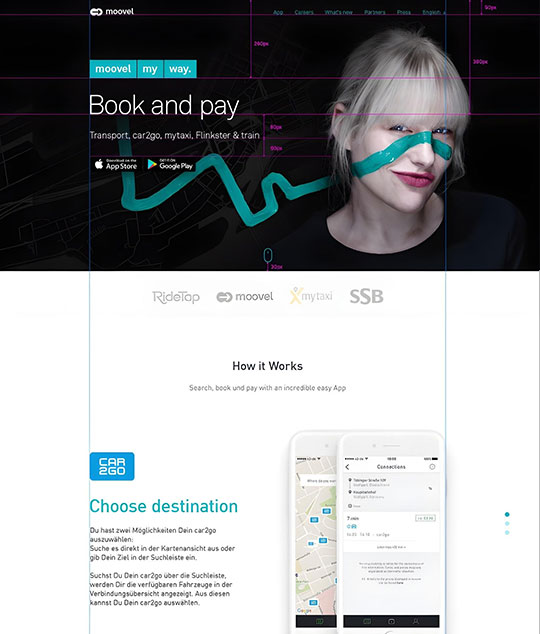
How might we create flexible web experiences that support new market launches and white-label mobility clients while keeping product communication clear, consistent, and easy to understand?
The work required balancing brand consistency, local market needs, stakeholder requirements, technical feasibility, and user clarity. Every launch had its own context, but the digital experience needed to feel coherent as part of the moovel ecosystem.
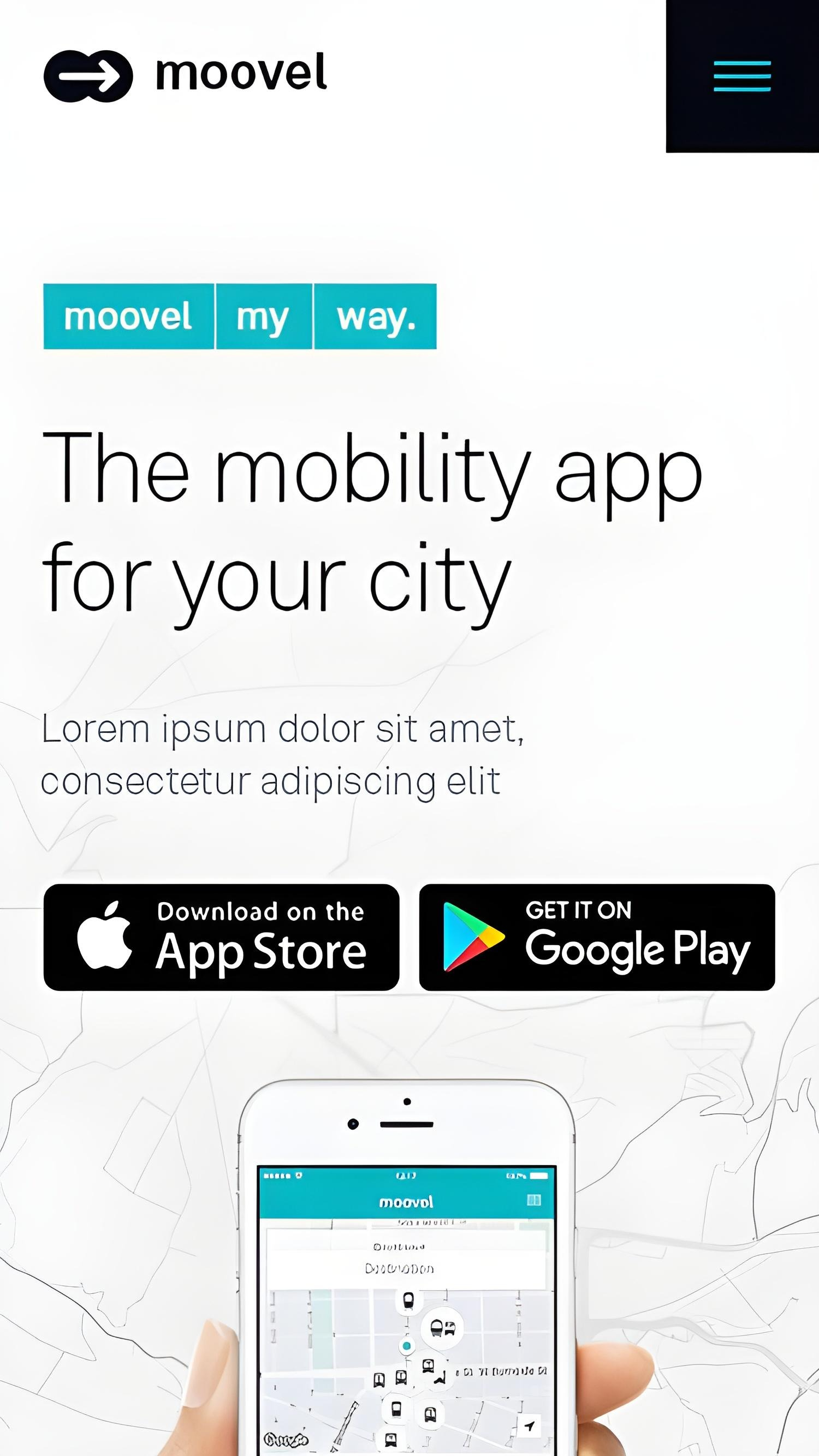
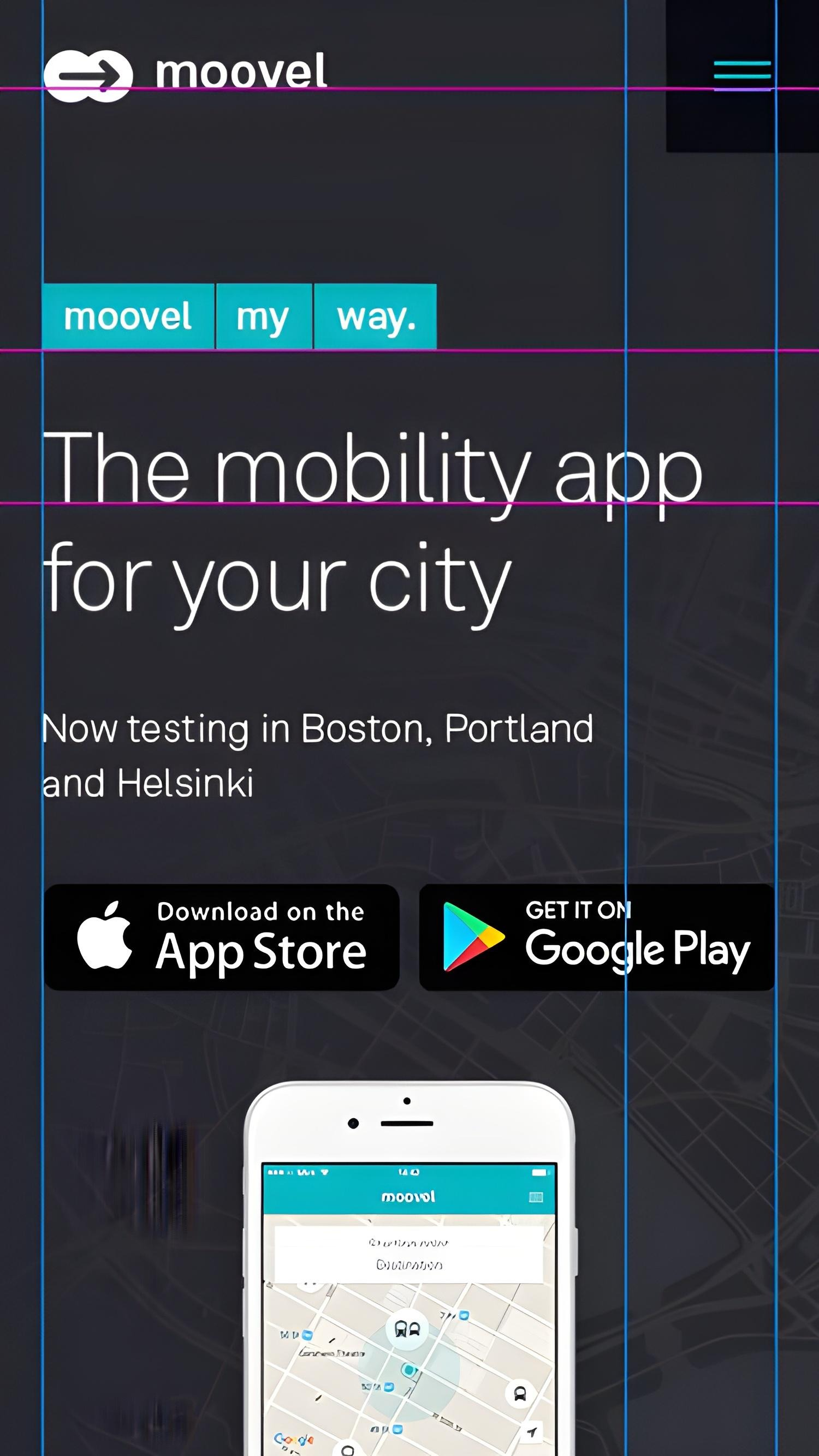
As part of the Web Squad, I worked across digital communication, product marketing, and web design. I contributed to the design and implementation of web pages used to present moovel's mobility products, launch new city markets, and support white-label clients.
My responsibilities included translating product and market requirements into clear web experiences, designing reusable layouts and content structures, adapting pages for different cities and partners, and ensuring consistency across digital touchpoints. The work required close collaboration with product, marketing, engineering, business development, and local market stakeholders.

The Web Squad helped turn moovel's web presence into a scalable communication layer for market expansion. Instead of treating every launch as a one-off campaign, the work focused on creating reusable structures that could support different cities, partners, and mobility contexts.
This made the digital experience easier to scale, while helping users and stakeholders understand each launch with more clarity. It also positioned the web platform as a bridge between product, marketing, business development, and public-sector communication.
The work supported moovel's ability to launch and communicate mobility services across different markets and partner contexts. It improved consistency across digital communication, reduced the need for fully custom web work for every launch, and created a more scalable foundation for city-specific and white-label mobility experiences.
Working on moovel taught me how to design for scale inside a complex mobility ecosystem. Unlike a single product page or campaign, the web platform needed to support repeated launches, different stakeholders, localized communication, and public-sector trust requirements.
It strengthened my ability to think in systems: reusable structures, adaptable layouts, consistent messaging, and scalable execution. It also showed me how design can act as a bridge between product, marketing, business development, and local market needs.